Landing page experimentation
First design-led learning for our Cloud Gaming Web App that shaped the roadmap and made data worth trusting.
Role
Product designer
Responsibilities
- Framed the opportunity
- Designed the solution
- Secured buy-in
- Oversaw execution & analyzed results
- Translated learnings into insights
Partnered closely with
- Engineering
- Data science & experimentation
- Program management
- Marketing
CONTEXT
Getting our app into the Smart TV market was a top priority for the business.
It was a way to bring Cloud Gaming into living rooms without additional hardware and we wanted to start shopping the service to other TV partners.
Problem & opportunity
We were experiencing 70% drop-off in our top of funnel experience.
Not only that, but our data pipeline was incomplete, which meant we had little visibility into what players were doing before they signed in. On top of that, we had limited engineering and research bandwidth, so a big redesign wasn’t an option.
The opportunity was to design small, targeted experiments—surfacing where players were dropping off and validating fixes without waiting on a full data pipeline or a large redesign.
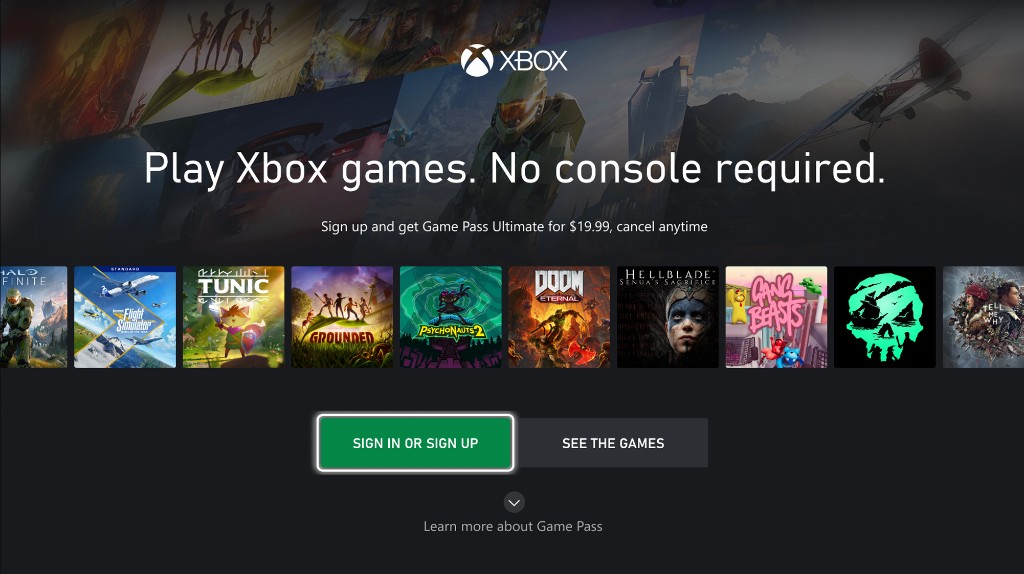
Current experience
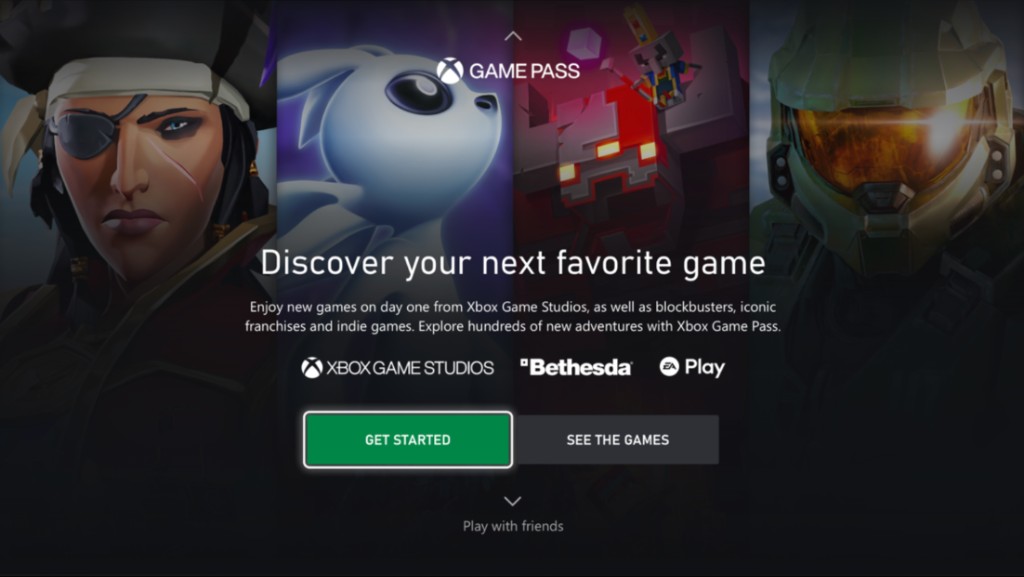
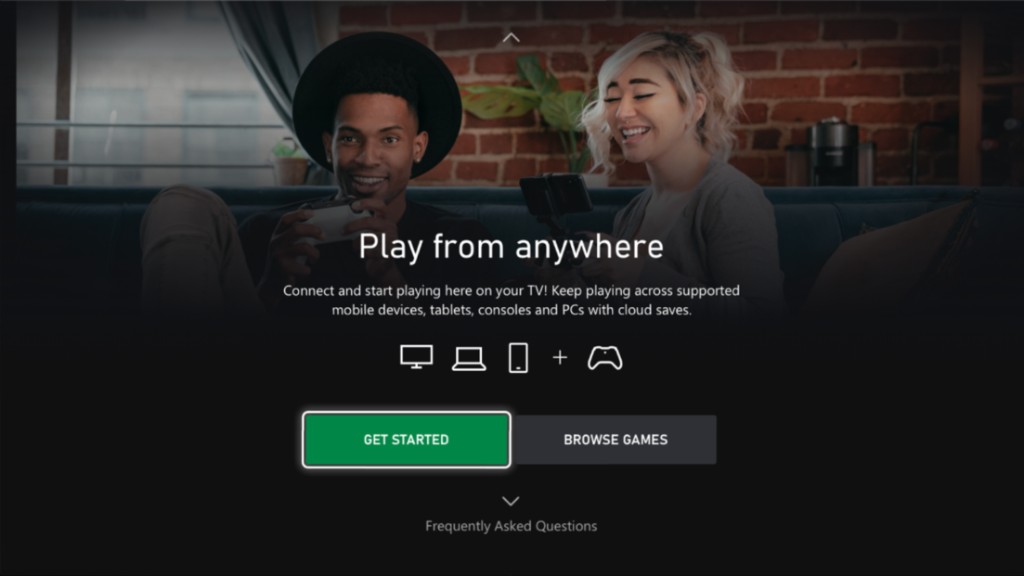
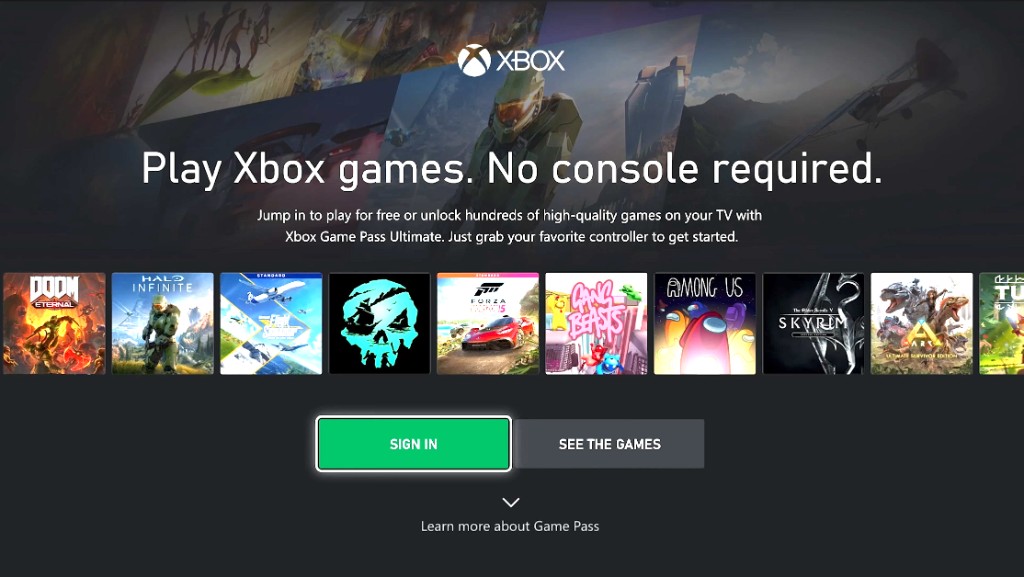
The existing landing experience prioritized educating players on what Xbox Cloud Gaming was — emphasizing accessibility, device flexibility, and the ability to play without owning a console through a vertically paginated, benefit-driven storytelling flow.
Approach
To better understand new customers, I partnered with marketing to learn which campaigns historically resonated most. Without dedicated research resources, I negotiated a lower-cost expert review and synthesized adjacent research on new PC and console users. I then had behavioral psychology experts evaluate our signed-out experience through the lens of a first-time customer.
To cut through ambiguity, I reframed the problem by asking stakeholders what would make conversion worse instead of better. This inversion exercise surfaced key risks — like adding friction, vague value communication, and mismatched expectations — which helped define critical success factors for the experience.
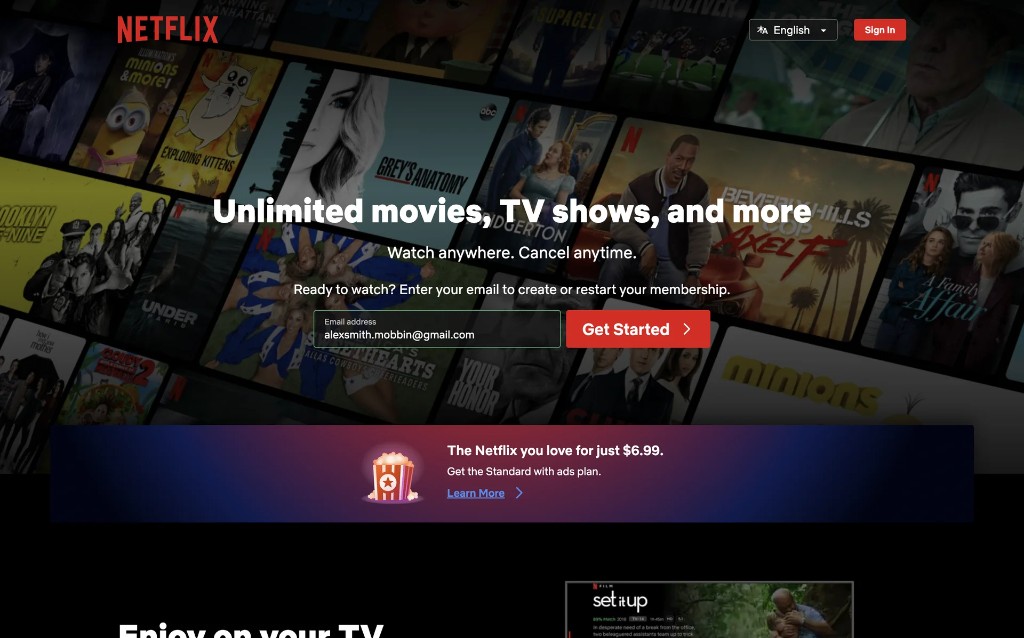
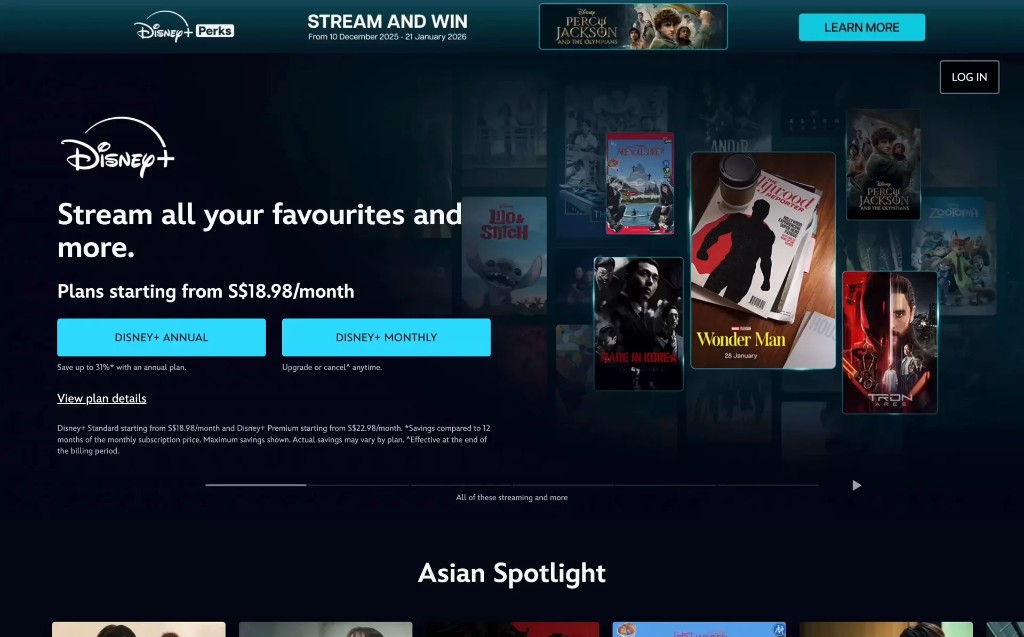
I also reviewed top-of-funnel experiences across streaming and adjacent industries to benchmark common patterns. Looking at services like Netflix and Disney revealed that many competitors gated even their content catalogs behind sign-in or payment walls.
Learnings
Players not only wanted to know what was on the catalog, but equally important was information like subscription details and pricing.
Hypothesis
If customers view the sign up process as the decision point of subscription commitment, then placing pricing before sign-up will increase conversion.
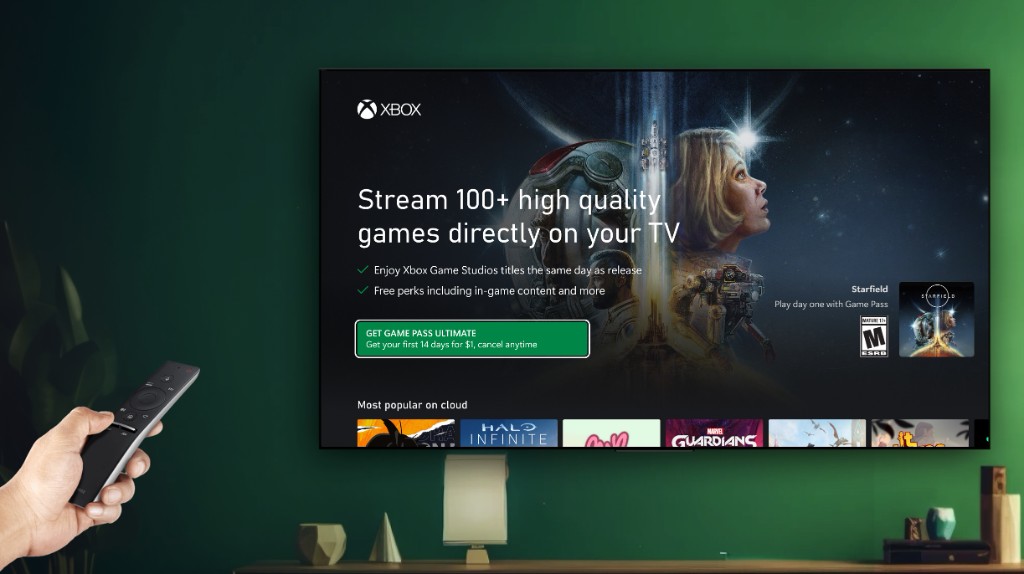
Iterations
We didn’t ship this iteration—too much changed versus the prior design, so we couldn’t have trusted what drove any lift. I was aiming to consolidate landing and browse into one clearer, testable surface built around what customers most wanted to understand about Xbox services.
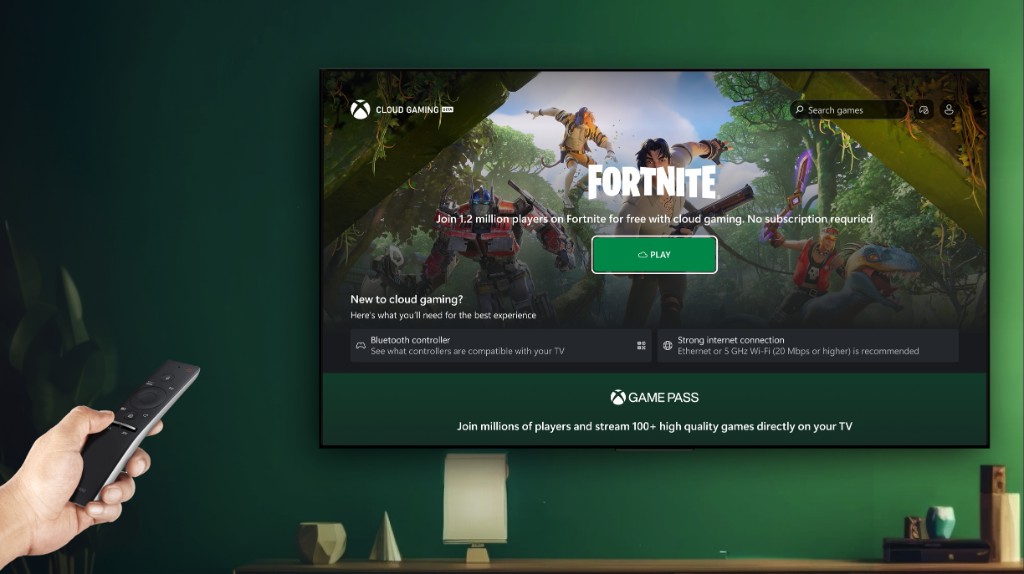
Iterations
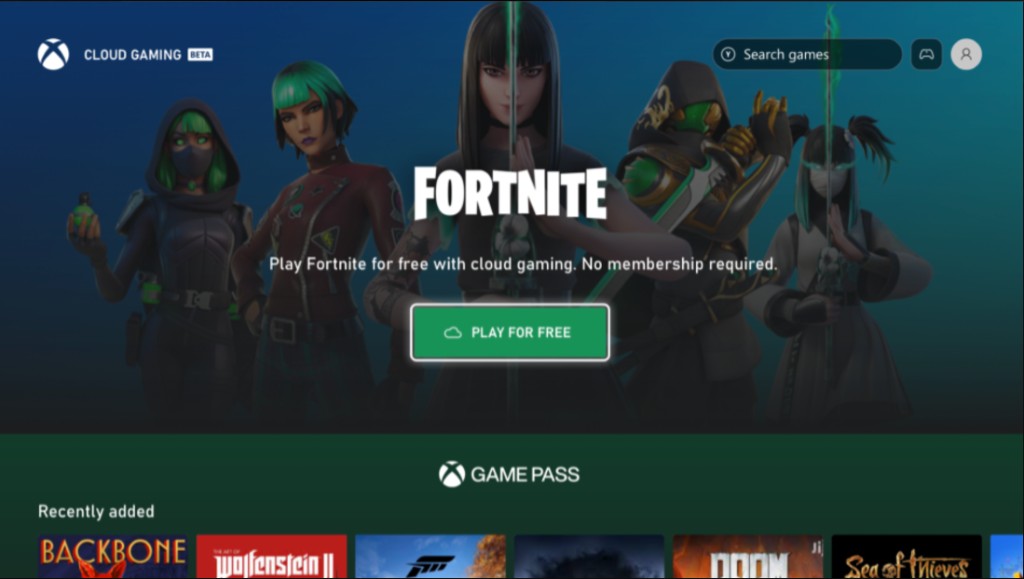
Fortnite was the only free-with-account game, so I explored a hero that surfaced that path more aggressively. We didn’t ship it: most players were already on the service for Fortnite, so impact was unclear—and spotlighting one title pulled focus from the catalog that brings in a broader set of players.
Iterations
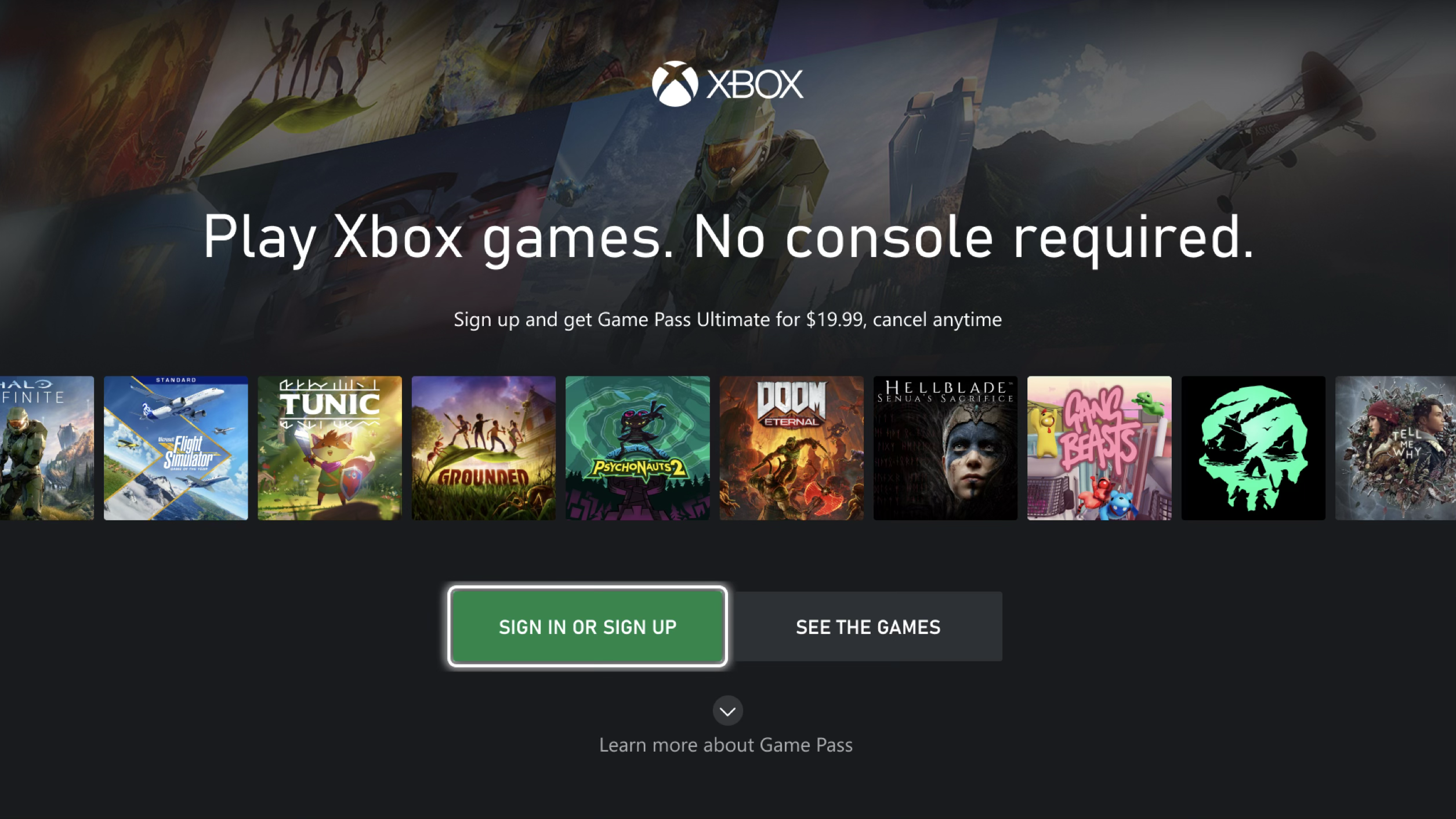
While I finalized the proposal with partners, marketing wanted the trial pulled ahead of Call of Duty Black Ops 6 launch—the lever that had always driven the most conversions. I worried it would blunt my test, then reframed: if we still converted without leaning on the trial, the read on the landing and pricing would be even stronger proof.
The experiment
Surface pricing on the landing page to see if that transparency would nudge more people to sign in, which also featured our $1 trial, and the reassurance for customers that they could cancel anytime.
Success metrics
My PM, data science, and I aligned on three reads: sign-in first for top-of-funnel friction, subscriber conversion to see if wins carried through to paid, and retention after subscribe as a guardrail against low-quality signups that would churn fast.
Result
Within a couple of sprints we shipped a double-digit sign-in lift that validated the landing work, plus single-digit subscription growth that was positive but not proportional—a signal we still had a value-communication gap after sign-in. Retention held steady, the variant became our default, and I shared learnings to inform future top of home projects.